
Scenography Without Borders
devised with PYL collective
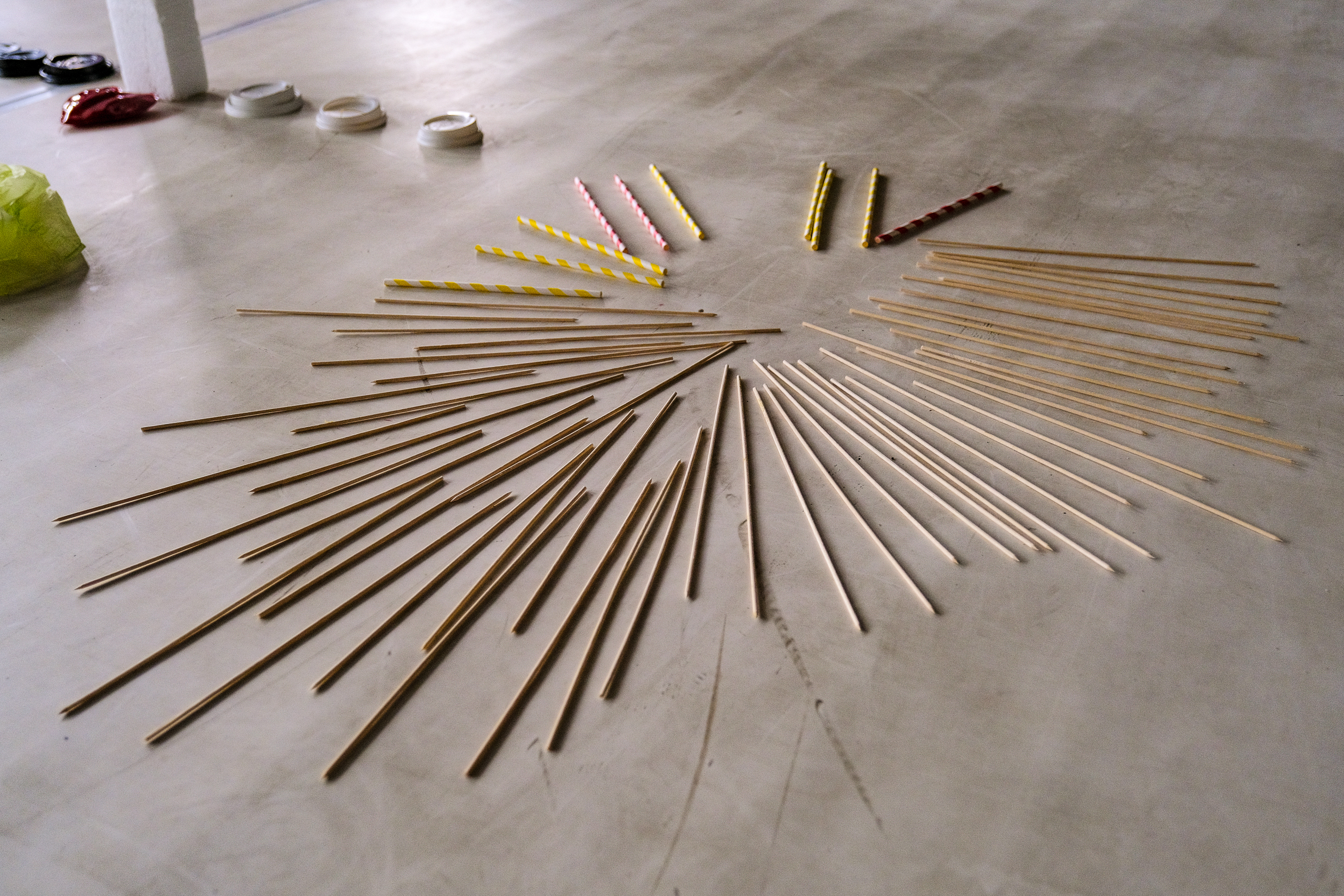
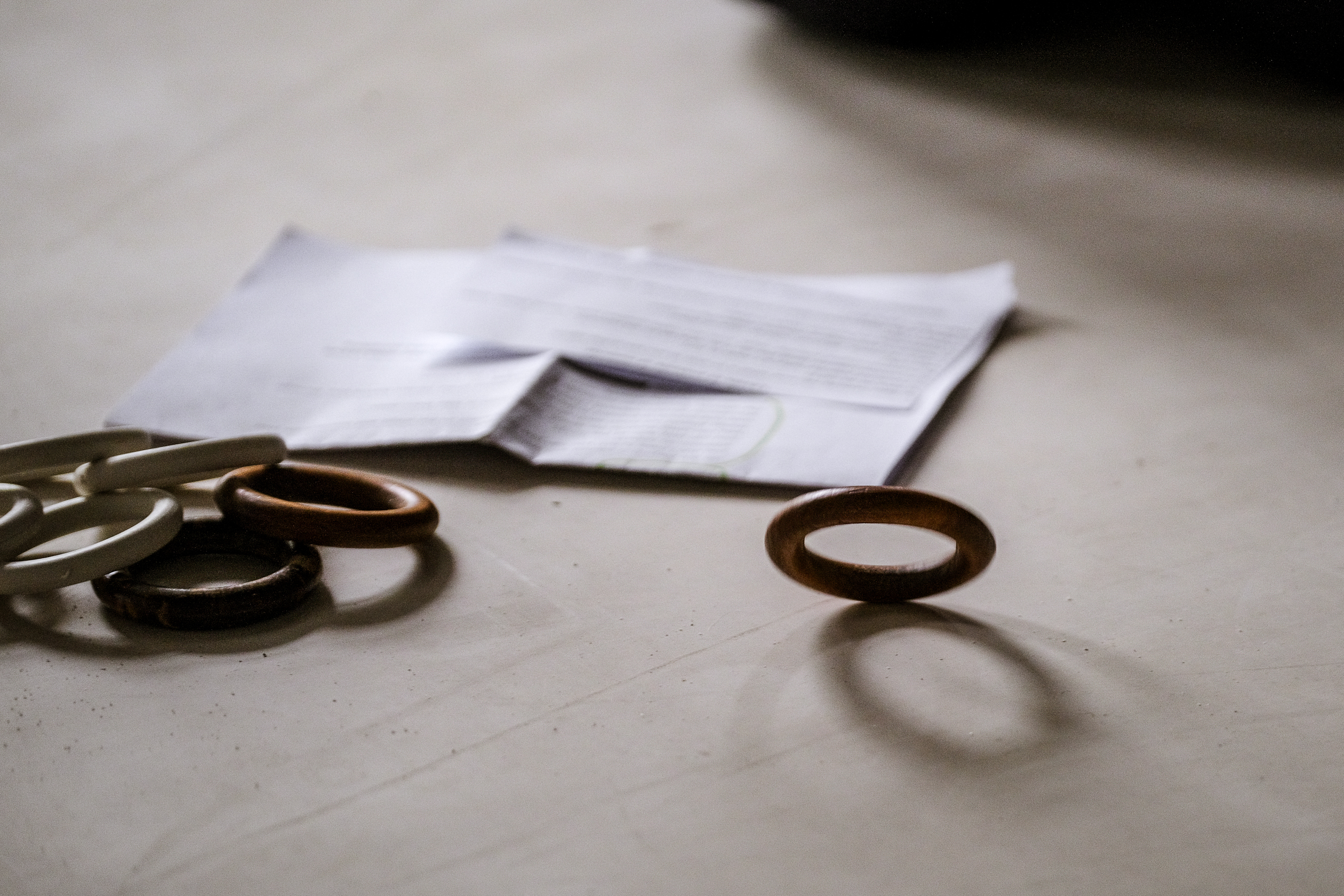
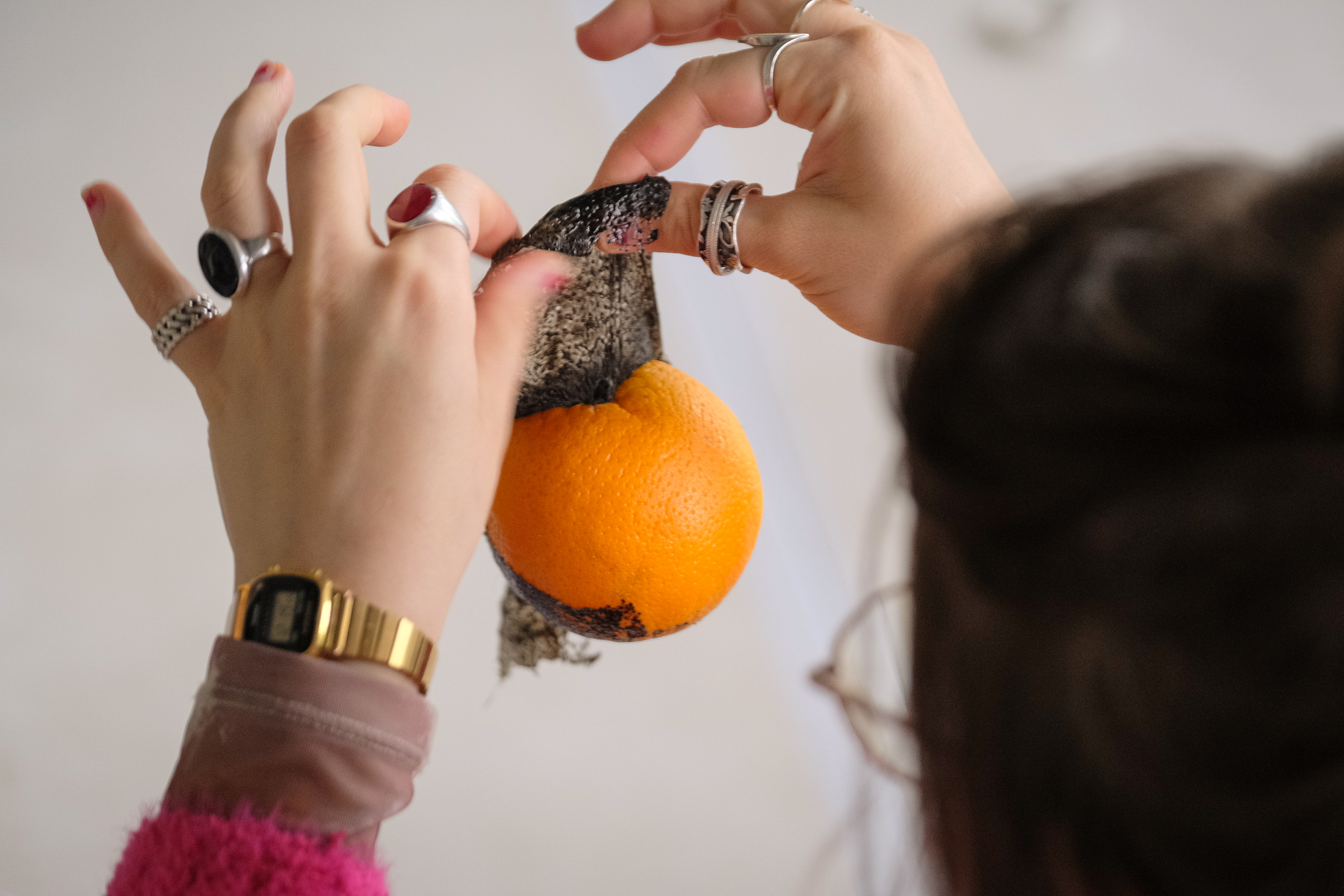
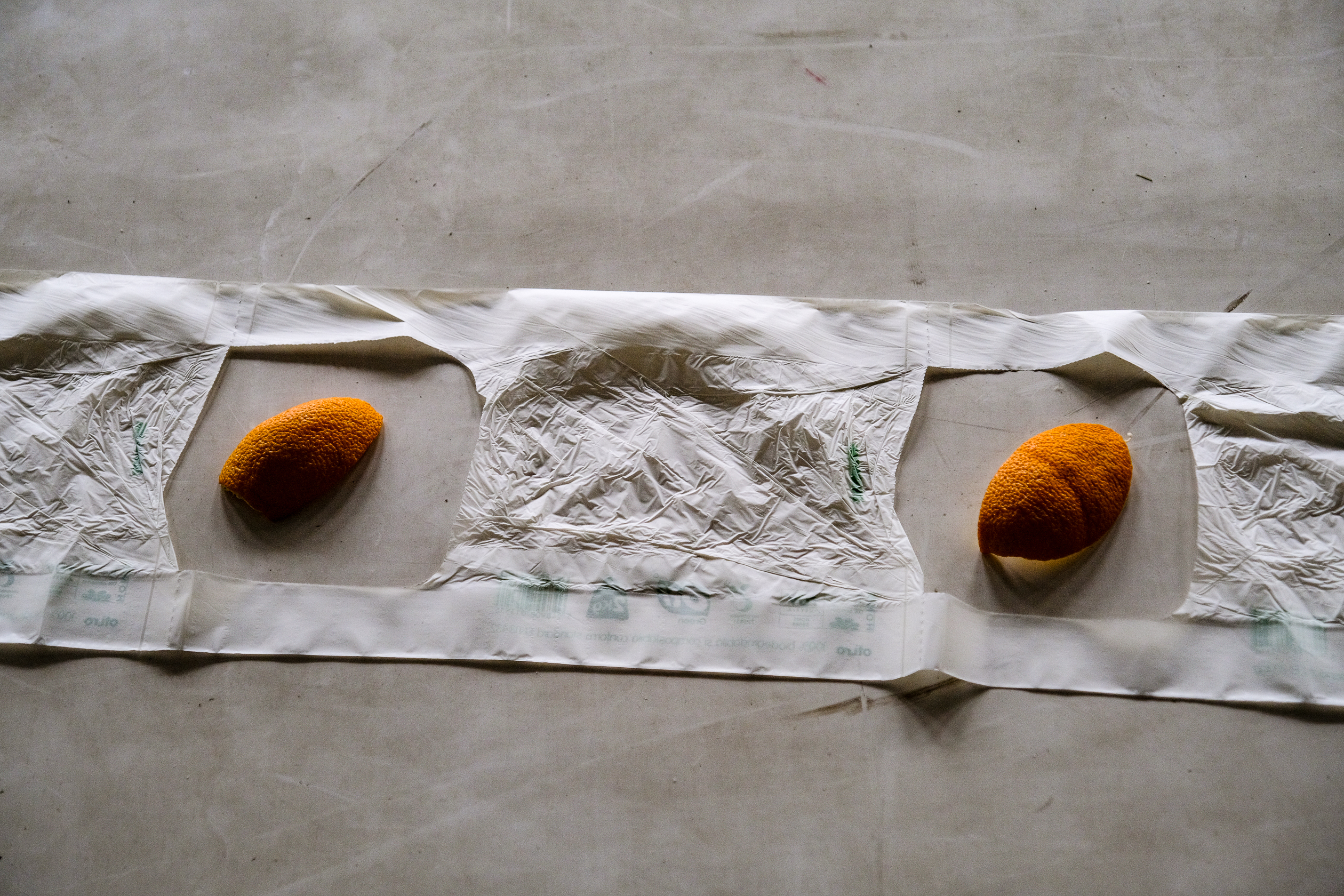
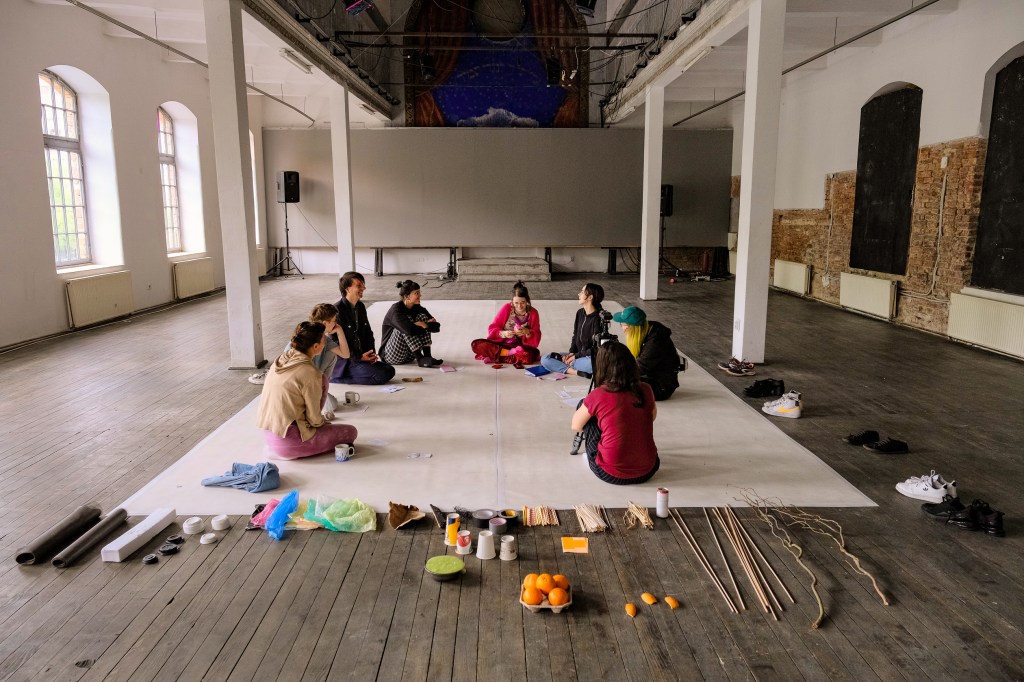
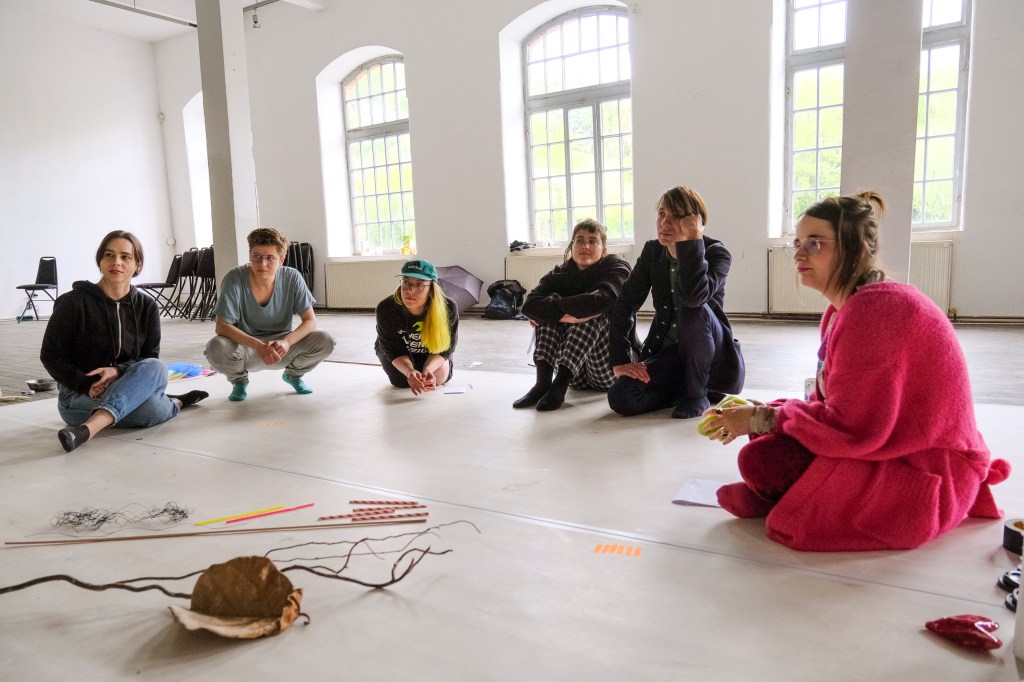
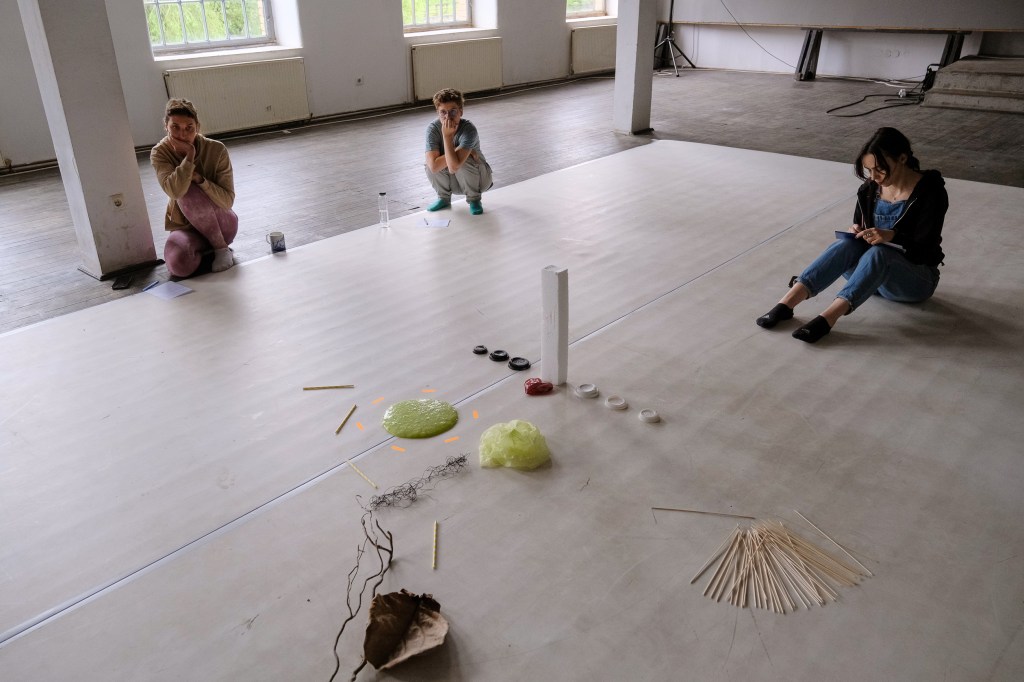
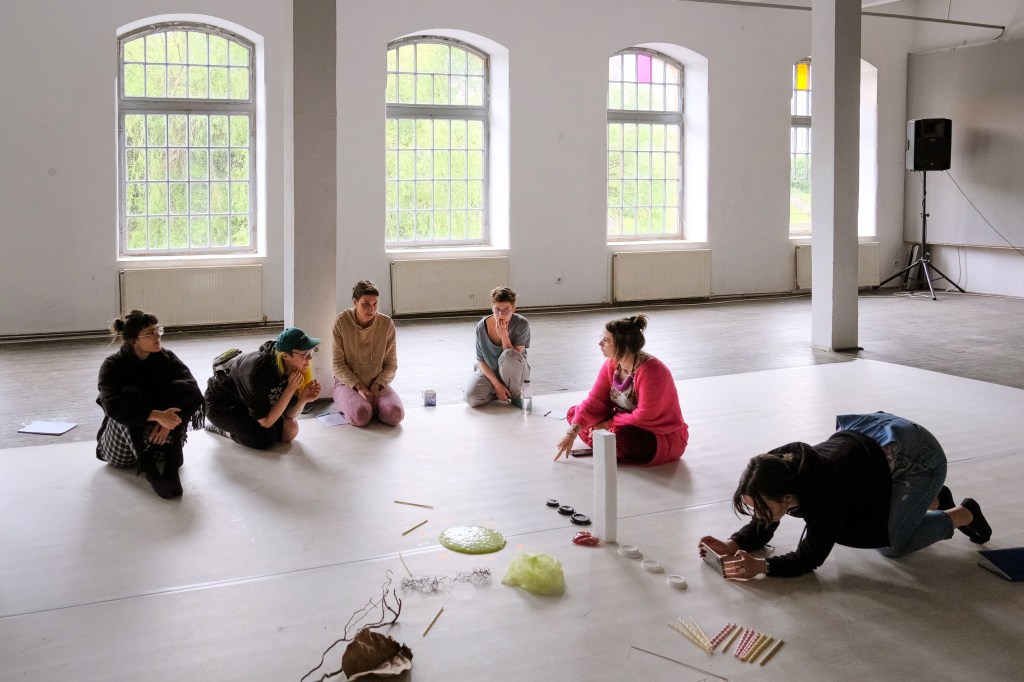
Between 2021 and 2023, we developed a methodology for sharing our practice in scenography-based and object-based performance making. Drawing on our experience of devising the performance Reality Surfing, we created a series of exercises exploring the agency of material — both through reflective analysis and intuitive practice.
The workshop introduces participants to strategies for recognizing and working with the scenographic and dramaturgical potential of everyday objects. it approaches objects not as passive props but as active collaborators in creative process. By shifting attention to relationships between things, bodies, and spaces, participants are invited to reimagine the dynamics of performance as an expanded dialogue between human and non-human actors.
Our approach as of PYL collective is grounded in the field of non-interpretative, alternative theatre, where scenography is understood as a complex discipline that shapes performance and dramaturgy on equal terms with other components. Rather than focusing solely on final outcomes, we emphasize process-based research — where theory and practice intersect, and where interdisciplinary connections with philosophy, archaeology, or anthropology enrich the exploration of performance.
At the core lies the material itself: material as physical body, as a bearer of memory, and as a partner for collaboration. We consider scenography as a tool for revealing the vitality of objects and materials that often appear inanimate. Key questions we pursue are: Can performance be created (at least in part) from the “language” of non-human entities? How can we establish conditions in which materials can “speak” in their own way? And how can their existence be framed within performance to activate the audience’s attention towards the non-human world?
Through practical exercises, participants will be introduced to what we call the “grammar of PYL”—a set of strategies and principles that guide our collective practice. This grammar offers a framework for exploring expanded scenography and for uncovering the performative potential hidden in everyday materials.
The workshops took place in various settings and within different timeframes: in DAMU (Theatre Faculty of the Academy of Performing Arts, Prague), Alfred ve dvore (Prague), Tranzit House (Cluj-Napoca), Berlin (Tatwerk).
 maryia kamarova